
Understanding POSH Law: A Comprehensive Guide



Introduction
In today’s evolving workplace environment, ensuring a safe and respectful atmosphere is paramount. The Prevention of Sexual Harassment at Workplace (POSH) Act, enacted in India in 2013, aims to create a secure working environment free from sexual harassment. This article will delve into the nuances of POSH law, its significance, implementation, and best practices for organizations to comply.
What is POSH Law?
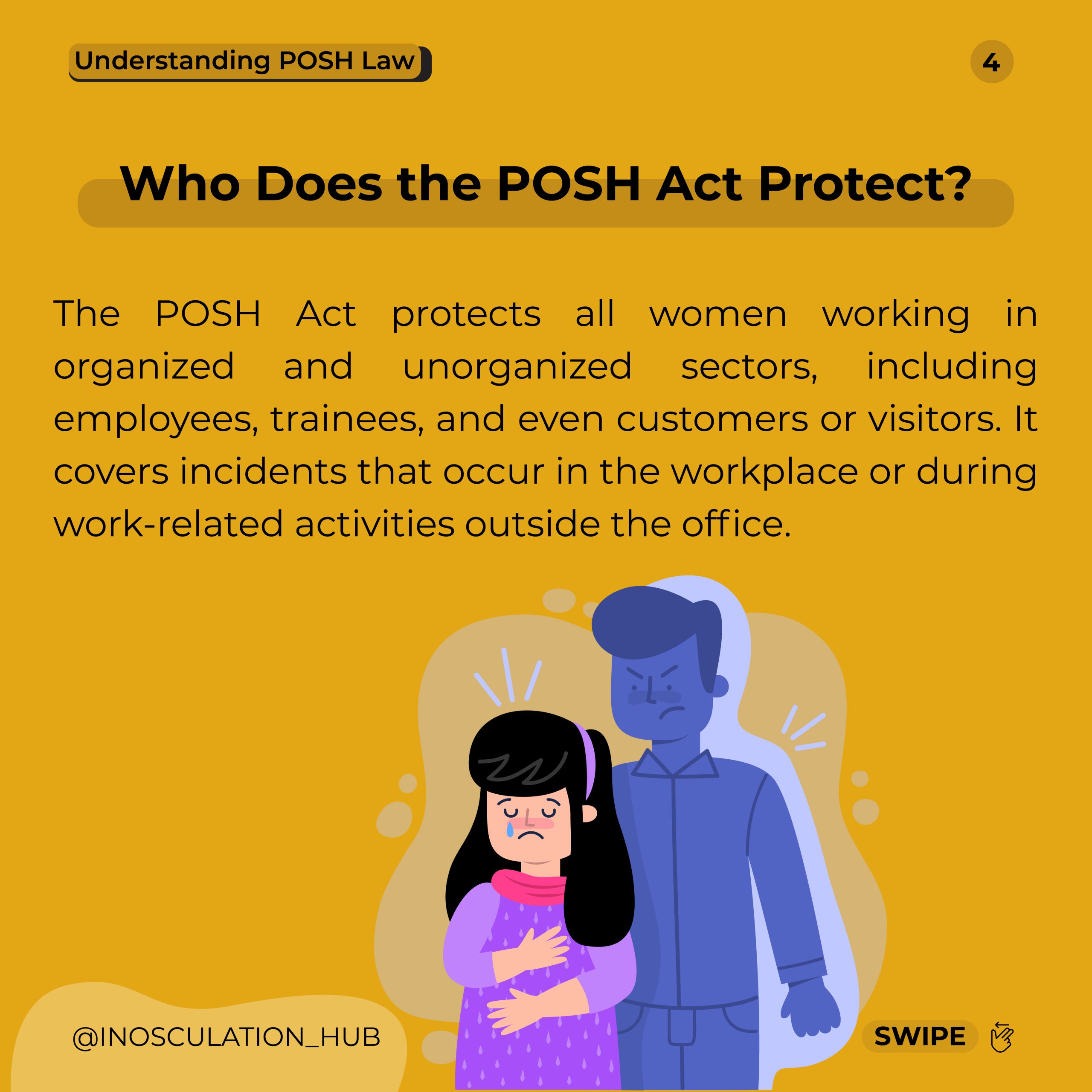
The POSH Act is a groundbreaking legislation designed to protect employees from sexual harassment at the workplace. It defines sexual harassment and outlines the duties of employers, the rights of employees, and the processes for addressing complaints. The law applies to all workplaces, regardless of the number of employees, and covers both organized and unorganized sectors.
Key Definitions
- Sexual Harassment: As per the POSH Act, sexual harassment includes unwelcome physical contact, advances, a demand for sexual favors, and any other unwelcome behavior of a sexual nature that creates an intimidating or hostile work environment.
- Workplace: The Act defines the workplace not only as traditional offices but also extends to any location where employees may work, including remote locations, homes, and digital platforms.
- Aggrieved Woman: An aggrieved woman is defined as any woman who experiences sexual harassment at her workplace, including employees, trainees, and even visitors.
Importance of POSH Law
The significance of the POSH Act cannot be overstated. It aims to:
- Empower Employees: The Act provides a legal framework for employees to report harassment without fear of retaliation, thereby promoting a sense of security.
- Encourage Gender Equality: By addressing sexual harassment, the POSH Act fosters a culture of respect and equality in the workplace.
- Enhance Organizational Reputation: Companies that adhere to POSH regulations are viewed as progressive and responsible, thereby enhancing their reputation and attracting talent.
Responsibilities of Employers
Employers play a crucial role in the successful implementation of the POSH Act. Here are their primary responsibilities:
- Policy Formulation: Organizations must create a comprehensive POSH policy outlining the definitions of harassment, the procedure for reporting, and the consequences of violations.
- Formation of Internal Committee (IC): Employers are required to establish an IC comprising a minimum of four members, including a female member from the organization and a representative from a non-governmental organization or an association committed to women’s rights.
- Awareness and Training: Regular training sessions should be conducted to educate employees about the POSH policy, their rights, and the processes for reporting harassment.
- Prompt Action: Employers must ensure that all complaints are investigated promptly and fairly, maintaining confidentiality throughout the process.
Filing a Complaint
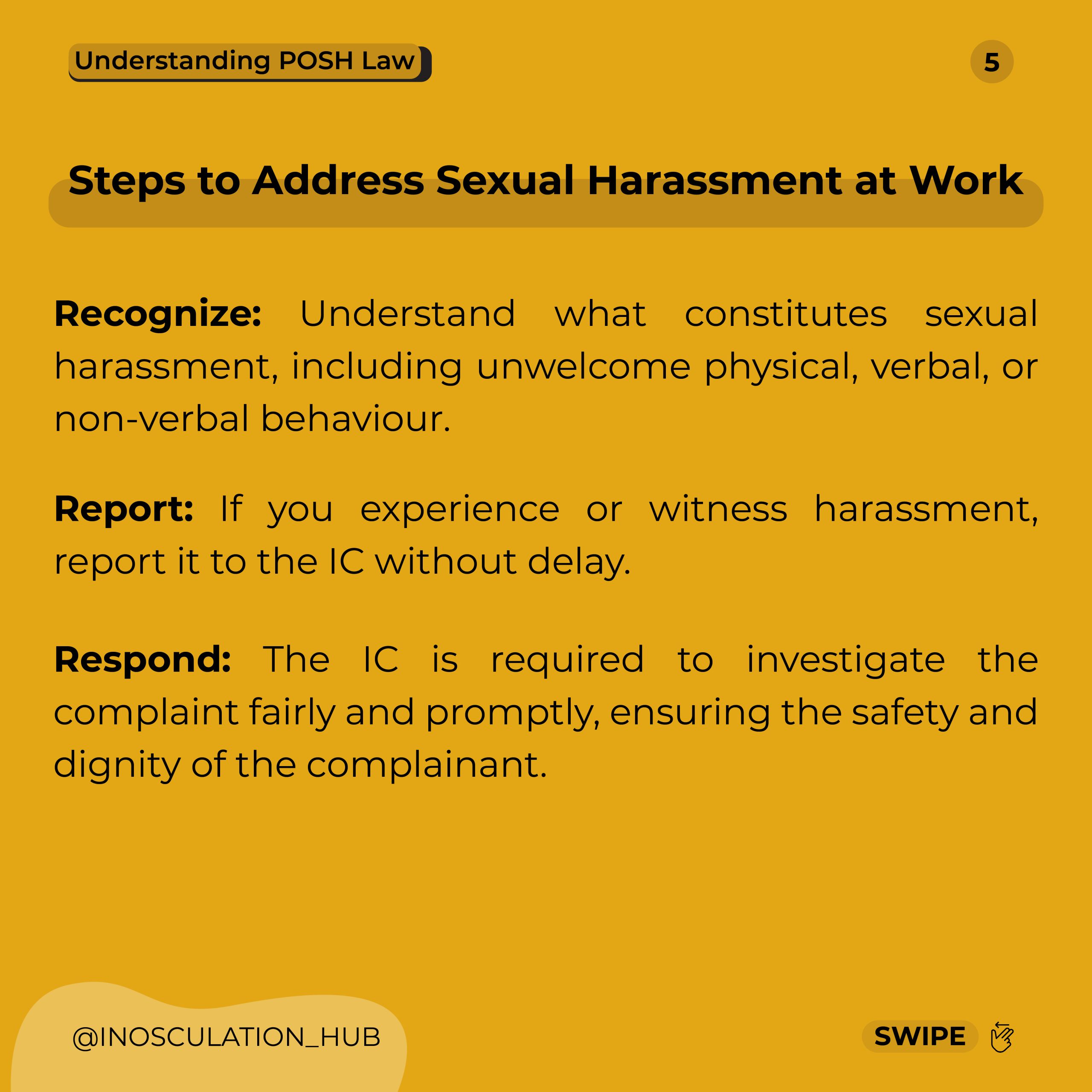
If an employee feels subjected to sexual harassment, they have the right to file a complaint with the ICC within three months of the incident. The complaint process typically involves:
- Written Complaint: The aggrieved employee must submit a written complaint to the IC, detailing the incident(s) of harassment.
- Inquiry Process: The IC is mandated to conduct a fair inquiry, allowing both the complainant and the accused to present their case.
- Resolution: The IC must complete its inquiry within 90 days and provide recommendations, which the employer is required to implement.
Best Practices for Compliance
To ensure compliance with POSH law, organizations should adopt the following best practices:
- Create a POSH Policy: Develop a clear and comprehensive POSH policy, outlining procedures for reporting and investigation.
- Train Employees: Conduct regular training sessions for employees and management to familiarize them with the policy and their rights.
- Promote a Respectful Culture: Foster an organizational culture that prioritizes respect and inclusivity, encouraging employees to speak up about any inappropriate behavior.
- Regular Review: Periodically review the effectiveness of the POSH policy and the IC’s functioning, making necessary adjustments based on feedback and evolving workplace dynamics.
Challenges in Implementation
Despite the clear guidelines set forth by the POSH Act, several challenges can impede effective implementation:
- Lack of Awareness: Many employees remain unaware of their rights under the POSH Act, which can lead to underreporting of incidents.
- Fear of Retaliation: Employees may hesitate to file complaints due to fear of backlash or stigma.
- Inadequate Training: Organizations may not invest sufficient resources in training programs, leading to a lack of understanding of the law and its implications.
Conclusion
The POSH Act represents a significant step towards ensuring a safe and equitable work environment. By understanding the law, fulfilling their responsibilities, and fostering a culture of respect, employers can not only comply with legal requirements but also create a workplace where all employees feel valued and secure.

