
Maternity Benefit Act
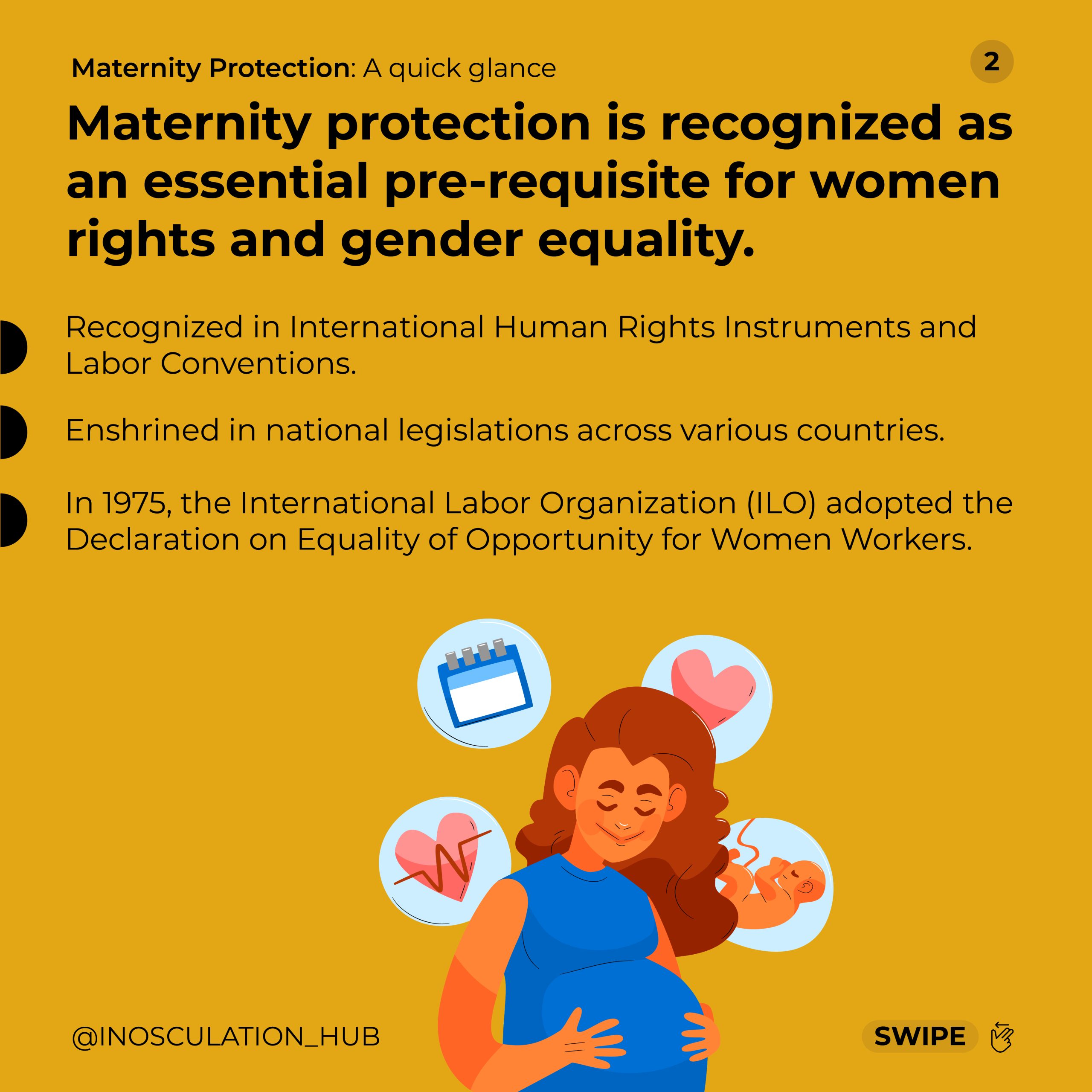
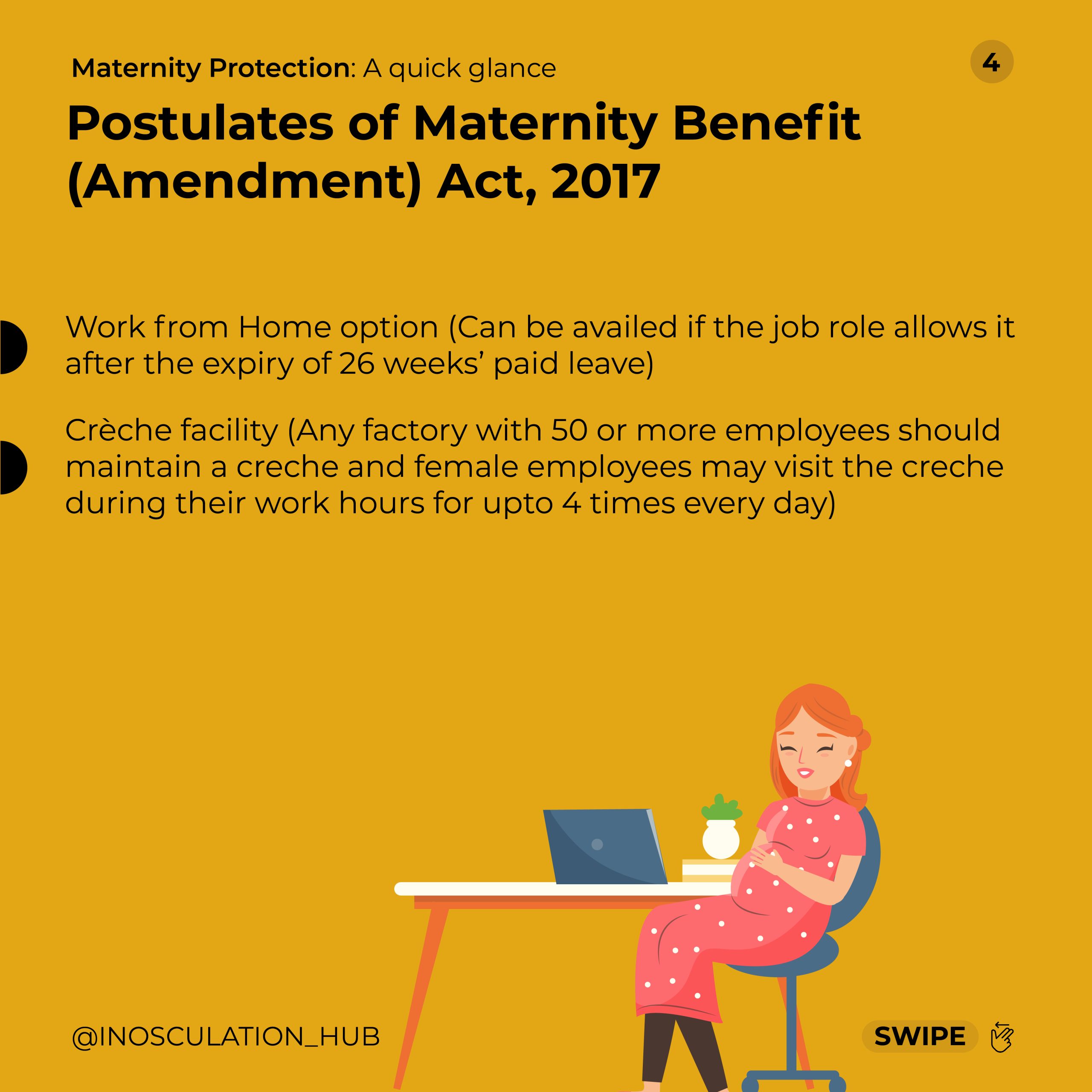
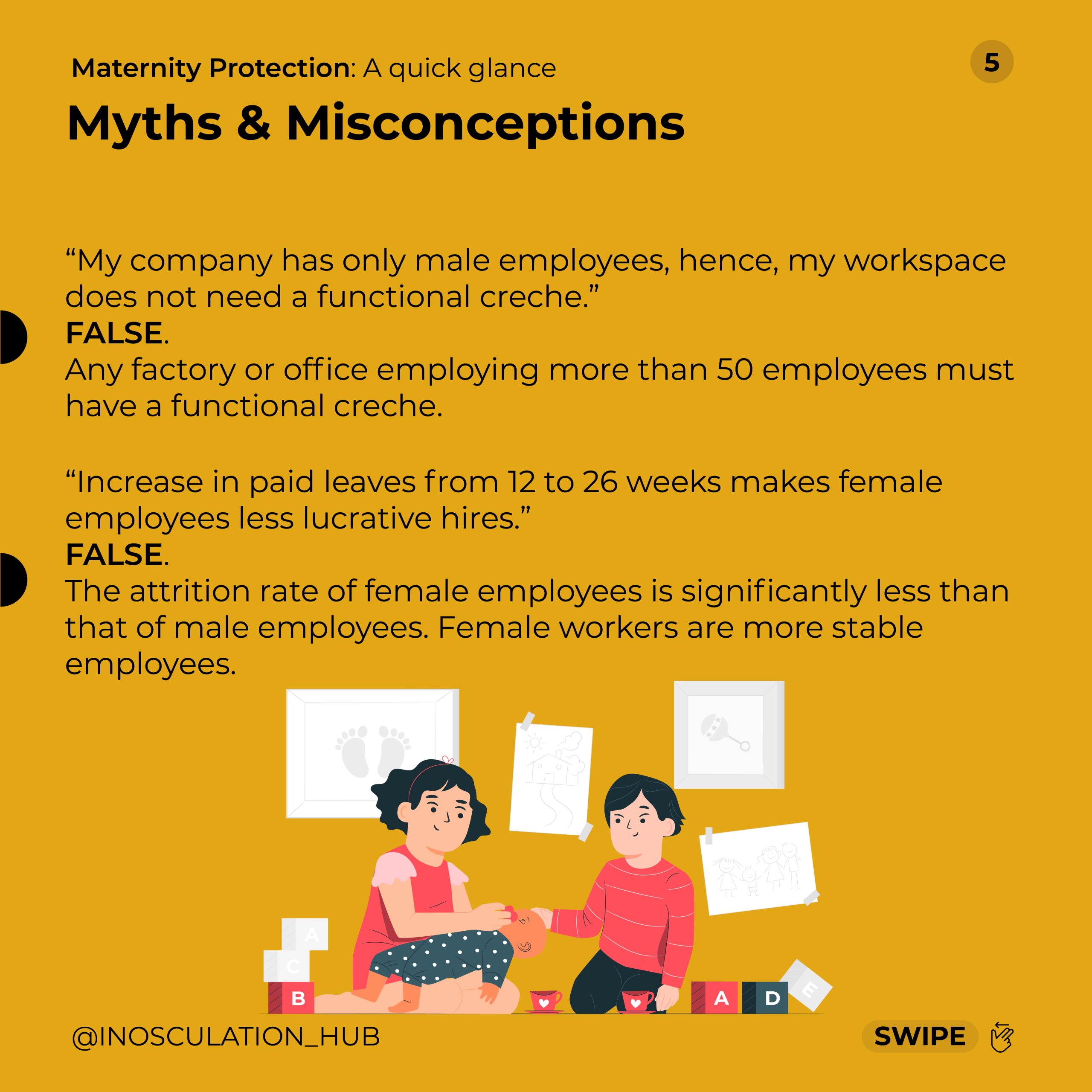
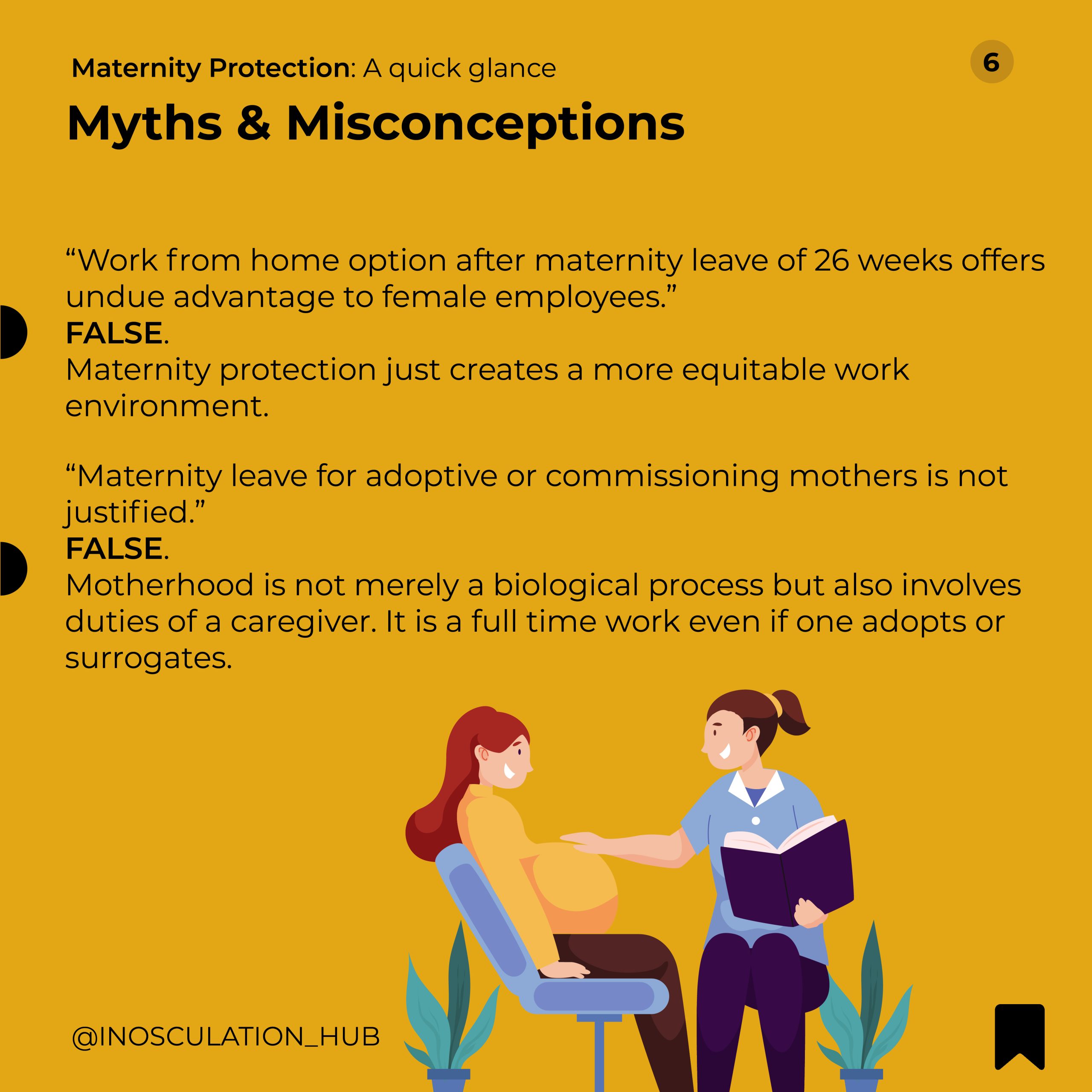
India has undeniably achieved significant progress in maternity benefits, with pivotal legal amendments and landmark court rulings reflecting an increasingly acknowledged importance of supporting working mothers and safeguarding their rights. However, amidst these strides, lingering challenges persist, emphasising the urgent necessity for more inclusive and equitable policies.
Legal Advancements
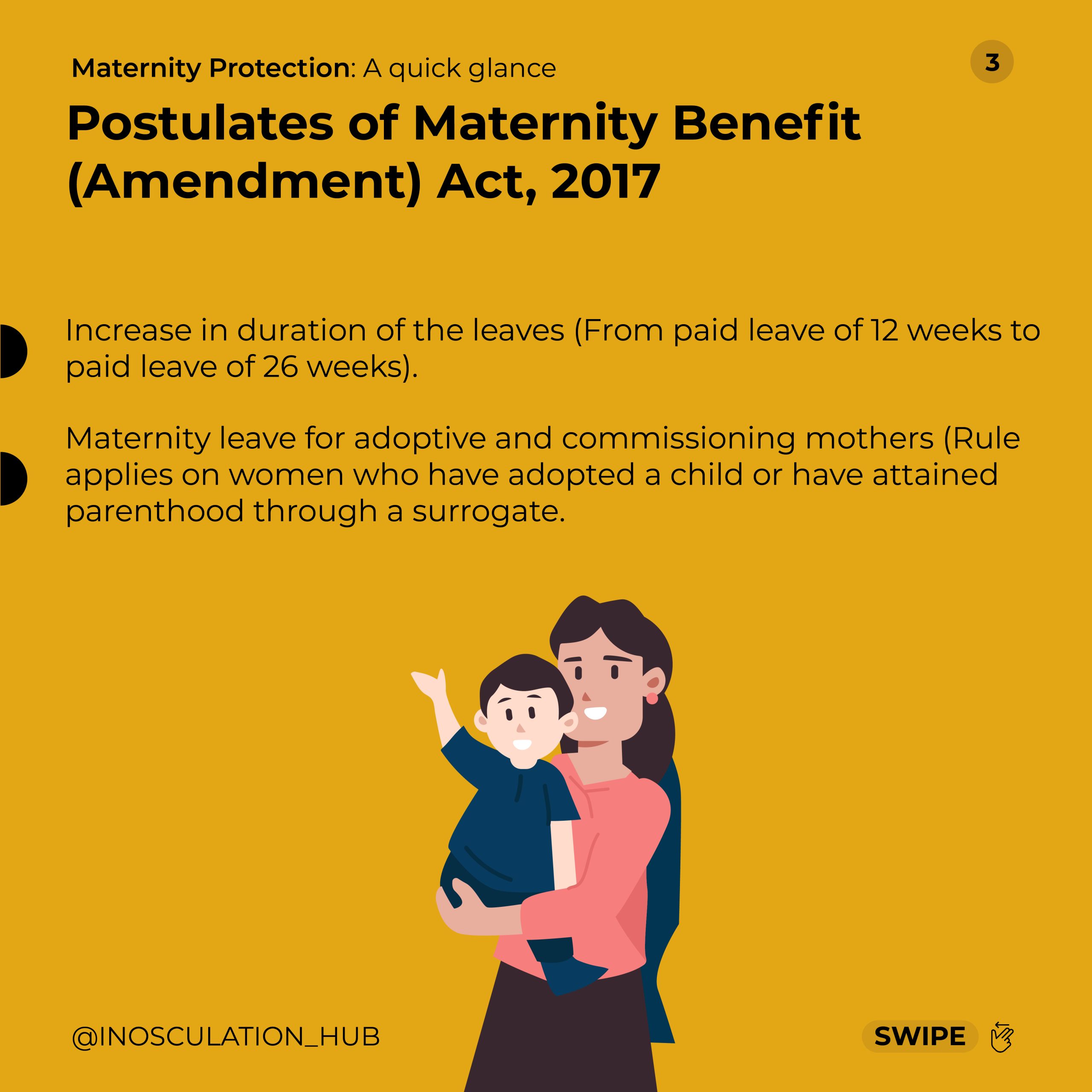
India has undergone transformative changes in maternity benefits legislation, notably with the 2017 amendment extending provisions to commissioning and adoptive mothers, thereby setting a precedent for inclusivity. Landmark court cases like the Pooja Jignesh Doshi and Neera Mathur cases further bolstered the rights of surrogate mothers and contested discriminatory workplace practices related to pregnancy disclosure.
The introduction of the Social Security Code in 2020 was another substantial leap forward, elevating maternity leave from 12 to 26 weeks and permitting additional leave for specific childbirth-related issues. These reforms positioned India as the world’s third-longest maternity leave provider, emphasising a steadfast commitment to maternal health and child development.
Challenges and Critiques
Amidst these advancements, criticisms have surfaced regarding the exclusion of mothers adopting children older than three months from receiving benefits, unintentionally dissuading adoption and perpetuating biases against non-biological caregiving. This difference highlights the urgent need to support all types of caregiving equally and address existing biases. Another contentious issue concerns the provision that halves maternity leave for mothers with two or more children, disregarding the heightened physical demands and health risks associated with consecutive pregnancies, potentially endangering maternal well-being and recovery.
Unorganized Sector and Accessibility
A significant portion of women in India are employed in the unorganized sector, enduring exploitative conditions and lacking access to statutory maternity benefits. While the Social Security Code theoretically extends benefits to these sectors, implementation hurdles persist, including vague guidelines and undefined criteria, leaving many without adequate support.
Moreover, the stipulation of 80 days of prior work for eligibility excludes casual workers, seasonal employees, and those in informal sectors, further marginalizing vulnerable groups who may need maternity benefits the most.
Gender Neutrality and Paternity Leave
While maternity benefits have notably improved, the absence of mandated paternity leave in the private sector remains a conspicuous gap. Countries like South Korea and Japan offer extensive paid paternity leave, highlighting India’s lag in promoting gender-neutral caregiving responsibilities. Addressing this disparity is crucial for fostering workplace gender equality and advocating for a balanced approach to parental responsibilities.
Moving Forward: Towards Inclusivity and Equity
The evolution of maternity benefits in India signifies a promising trend towards improved maternal health and workplace equality. However, to build on these gains, several vital areas require immediate attention:
- Inclusive Policies: Amend legislation to include all forms of caregiving equally, irrespective of biological ties, ensuring fairness and eliminating biases against adoptive and commissioning mothers.
- Enhanced Coverage: Extend maternity benefits comprehensively to all women, including those in the unorganized sector, with clear guidelines and robust enforcement mechanisms to ensure accessibility.
- Support for Paternity Leave: Introduce legislation mandating paternity leave in the private sector, aligning with global standards and promoting shared caregiving responsibilities.
- Awareness and Implementation: Increase awareness about maternity rights and benefits among employers and employees alike, promoting a culture of compliance and support.
- Advocacy for Gender Neutrality: Champion gender-neutral parental leave policies to encourage equal participation in caregiving and decrease workplace discrimination based on gender roles.
In conclusion, while India has made commendable strides in maternity benefits, there remains an urgent need for inclusive, equitable, and enforceable policies that unwaveringly support all mothers and caregivers. By addressing existing gaps and adopting gender-neutral approaches, India can further fortify its commitment to maternal health, child welfare, and workplace equality in the 21st century. Both employers and policymakers are encouraged to adopt these principles, as doing so not only fosters a supportive work environment but also helps in creating a more inclusive and progressive society.
#Maternity #Maternityact #Maternitybenefitact #labourlaw #labour #workersright

